
Weather and salt exposure
Wind-driven salt and freeze-thaw cycles gradually open joints and flake coatings, making routine surveys essential before damage becomes structural.
View coastal tower contextsPreservation notes
Preservation is less about polishing monuments and more about keeping evidence intact: stone shaped by spray, metal worn by lantern heat, and workspaces that still reveal how keepers read weather and protected shipping lanes. Each repair decision balances stability, authenticity, and public understanding.
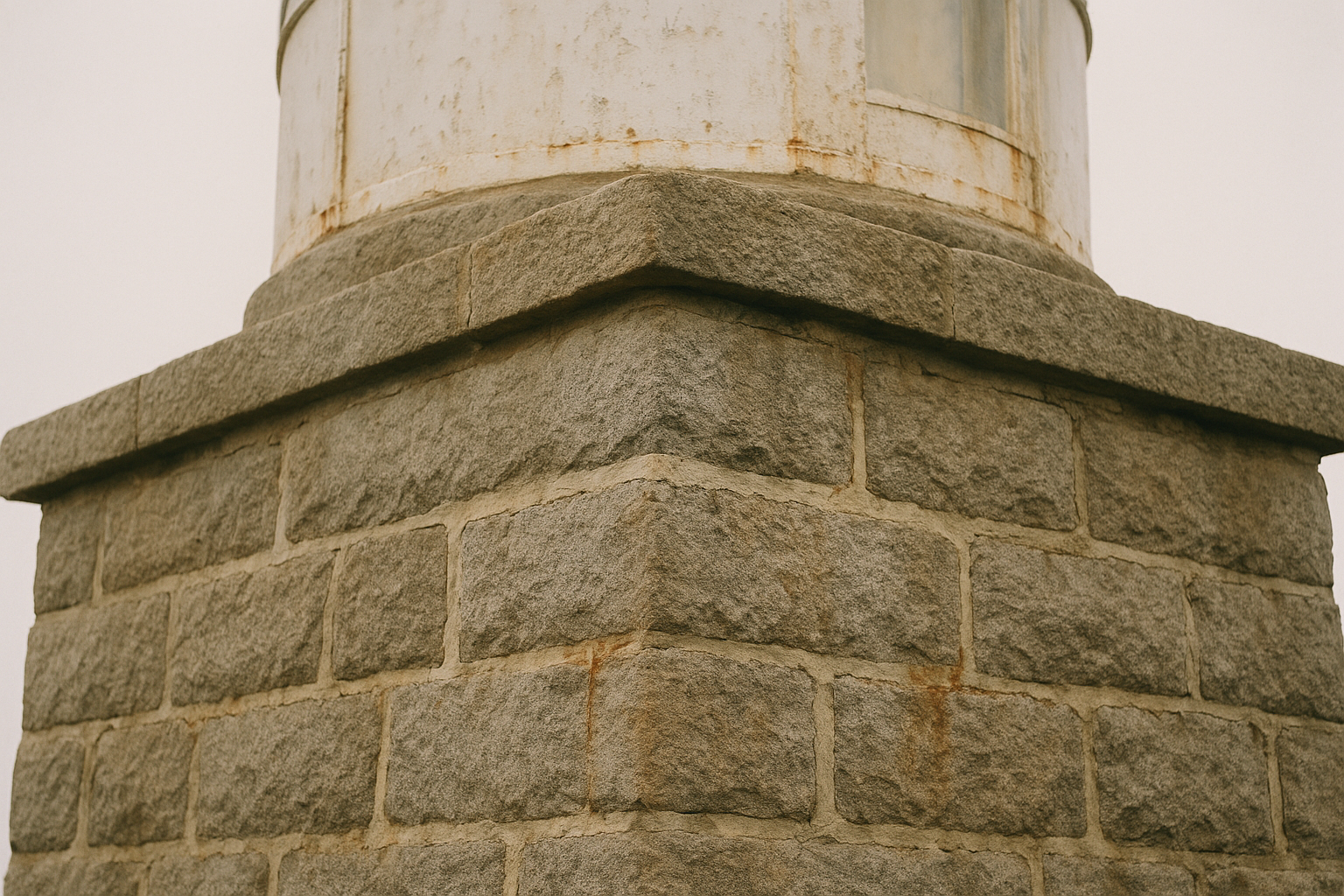
Wind-driven salt and freeze-thaw cycles gradually open joints and flake coatings, making routine surveys essential before damage becomes structural.
View coastal tower contextsConservation teams favor compatible mortars and breathable finishes so repairs protect the fabric without sealing in moisture or erasing age marks.
Read methods and notesGlazing frames, gallery rails, and lantern housings require cyclical corrosion control to preserve both function and the distinctive silhouette of each light.
Browse keeper-era accountsPublic pathways, photo documentation, and maintenance logs help future stewards understand what changed, what survived, and what still needs attention.
Find research and visit guidance